Suicide Prevention: My Personal Handbook
Every September I get frustrated by the grand, albeit well-intentioned gestures of folks doing their best to put a dent in suicide awareness and prevention. So much of it feels commercial. Mental health merch that floods my social feeds: the #youarenotalone hoodies, the smiley face purses that ‘combat stigma’, the bracelets with dainty semicolon clasps, the waterproof stickers that reminding me “it’s okay not to be okay.” The sentiment I appreciate, but the consumerism bugs me.
I’m also bugged by drive-by cause supporters who repost a meme or two, who seem terribly concerned about the suicide epidemic, yet turn a little green under the gills when you start talking about your own psych ward adventures or battles with self-harm—when it isn’t just a stranger’s problem, or when the answers are more complicated than providing someone with the 988 crisis lifeline number.

I’ve talked before about my bipolar diagnosis, about my generalized anxiety disorder, PTSD, and BPD, and past trauma. I’m not a suicide prevention expert or researcher. I’m not an educator, lobbyist, or activist. But I am a suicide survivor. Suicidal ideations, passive and active, are a common occurrence of my mental illness. I can’t speak to what suicide prevention looks like on global scale, but I can speak from lived experience. So this post is a look at suicide prevention in my own life—my role, and what I need from my support system.
My Part
It starts with maintenance
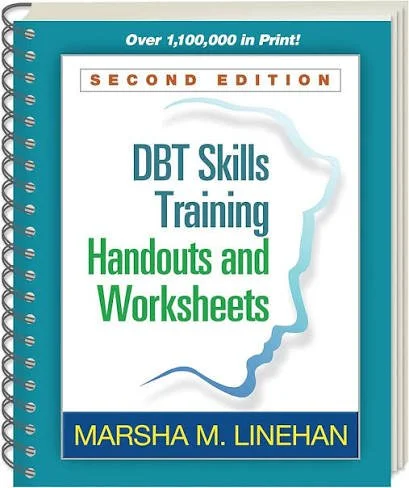
Mental health is no different than physical health, it has to be maintained to stay in optimal condition. For me this looks taking my medications daily, weekly therapy, and managing (or attempting to) my emotions with the skills I learned in Dialectical Behavioral Therapy.
Amongst other things, I meditate as part of my spiritual practice, which has a grounding effect on my anxiety and PTSD. I’m admittedly an indoor girl, but getting outside and breathing some fresh air, even if it’s just to walk my dog, can boost my mood. But my emotion processing lifeline has been, and always will be, journaling.
A walk in an of itself, or scribbling down some emo musings, is unlikely to magically zap suicidal ideations when they come for me, but it’s the totality of self care I’m getting at. It took me years before I accepted I had real responsibility in caring for my mental health—it’s no different than managing any other chronic health condition. The ugly truth about mental illness is that there’s treatment but no cure. But that also means that I can do all the right things and still spiral. And that is no fault of my own.
A word about heaLthcare access
I’m very fortunate to have to quality mental healthcare and psychiatric care. But that wasn’t always the case. There were many years following my diagnosis when I was dependent on community health centers and free clinics. I lacked or had inconsistent medication because Medicaid wouldn’t cover whatever drug the fresh-out-of-med-school doctor ordered. My provider would just begin to establish a report with me then leave their rotation, or I’d be handed off to someone new because “I was too complicated a case” and I’d be back at square one. During this time, I was in and out of inpatient psychiatric units in a near constant state of crisis.
I saw this situation play out over and over with other patients, too. No one should have to suffer unnecessarily when more effective treatment options are available. We have the resources in the United States for universal healthcare, but we spend them on things like illegal wars in the Middle East. A ‘Medicare for all’ platform is one of the reasons I support politicians such as Dr. Abdul El-Sayed, who is running for senate in my home state of Michigan. Would universal healthcare end suicide? No, it wouldn’t. But access to care, especially for those who have moderate to severe mental illness, cannot be overstated.
When things get dark
When I enter a stage in my illness when passive suicidal ideations show up or become prevalent, I put my therapist on alert. She’s my first line of defense becase I see her most frequently. I may not have an active plan or means at that particular moment, but that can flip on a dime. And it has; many times in the past.
I also start monitoring my depression/mania symptoms. How easily is my anxiety/PTSD is triggered? How difficult is it to interact with the world and/or engage with people? Am I irritable or apathetic? You know the drill.
If I’m starting to struggle, I bust out my DBT distress tolerance skills appropriate for the situation and level of agitation. If I’m having a panic attack, my go-to trick (or some variation of it) is plunging my face into an ice bath. It shocks your heartrate and nervous system and forces your breathing back with normal limits. I may then switch into box breathing. I employ various self-soothing methods to de-stimulate my mind and body when they’re revving. Wrapping myself in fuzzy blanket, lighting a lavender candle, or doing something repetitive while listening to classical music, can also also provide relief. But there comes a point when calming scents, coloring books, and cognitive distortion reframing isn’t enough to keep me safe from myself.
Reaching out for help
When I escalate matters and rally the rest my support team depends on how long the passive suicidal thoughts last.
I have a strong relationship with my psychiatrist and see her routinely. It’s rare for something to pop up so fast that she doesn’t have some kind of inkling between visits. But there’s a nurse and an emergency services line I can call if I need to.
I don’t have a rubric for when I tell certain friends or family members, I don’t like to alarm people unnecessarily. But at the same time, I have loved ones who care about me enough to want to know early if I’m starting to tank. In truth, there people who are more reactive than others, and sharing with them that I’m thinking about unaliving myself 27 times a day is stressful. There are others who can hold that burden, knowing that I’ll come to them when my thinking switches to planning.
Suicide Prevention: My People’s Part
My Care team
Once my brain chemicals have transmuted into a venomous fog that’s poisoning my thoughts to point that I think I’m better of dead, it’s time to sound the alarm.
I contact my psychologist and my psychiatrist and get a plan in motion. That looks different depending on the severity and my safety needs, and could range from increased office visits, and medication changes to an inpatient admission. But transparency with my care team is crucial at this juncture. They can’t adequately help me if I’m being less than forthcoming with my symptoms. Depending on how sick I am at the time, I may be resistant to their plan. I know, I know, that I will feel better on the other side of the episode, which is why I reached out for help. But there’s a tug of war that always happens on the inside when I get suicidal. It doesn’t feel worth it to increase safty measures, to jump through the hoops, to go to the hospital. Because fighting is so exhausting. Getting through the muck, the agony, the utter darkness is unbearable and often demands more than I feel I have to give.
The suicide prevention I crave
What I need from loved ones when I’m in a suicidal crisis are people who aren’t afraid to sit in the dark with me—to be silent with me, to cry with me, to let me scream if I need to. I need people who won’t run when I tell them what my suicide plan looks like, or why I think I should carry it out—who won’t freak out, but let me get it off my chest and out in the open. The monsters in my head can get scary, and I need people who will pick up a bat and swing with me instead of simply offering me thoughts, prayers, and platitudes. Buy all means pray for me, that’s great. But tangible is key. When I’m being resistant to seeking medical treatment, I need my friends not to pressure or guilt trip me into going to the hospital, but rather appeal to my larger sense of purpose. I need them to help me find my way back to myself with encouragement that points me towards professional care without attaching a moral weight to it.
What and what not to say to someone who is suicidal
Over the years I’ve learned who is safe to call or text during a crisis. Sometimes you don’t know until you ask for help how people will react. Someone who is deeply depressed or plagued with suicidal thoughts is functioning from a very vulnerable place. These are some things folks have said to me over the years that, for better or worse, have left a lasting impression.
hurtful comments I’ve received:
“You have so much to be grateful for.” (Yes, we all do. Not helpful.)
“Why did you call ___ and not me take you to the hospital?” (It’s not about you. The salient point was that I called SOMEONE to get me to the hospital.)
“The doctors are trying to poison you with medication.” (Psychiatric medication saves lives.)
“If you just prayed more, worried less, and trusted Jesus, you wouldn’t have these mental issues.” (Practice your beliefs as you see fit, but mental illness is real.)
“I know you’re going through some stuff, but you missed my son’s birthday party.” (Yes, I didn’t feel like a party when I was counting pills to OD.)
“There’s always hope.” (Please don’t ever say this to someone who is suicidal. If they felt like there was hope, then they wouldn’t be in that position.)
“Why are you trying to leave me?” (Again, it’s not about you.)
“This is going to upset___.” (The grim reality of suicide and suicidal ideations is that it’s upsetting a lot of people. But shaming the person going through the pain only erects barriers, causes guilt, and adds to the social stigma, making them less likely to share if or when they are in crisis again.)
In contrast, here are some loving comments I’ve received:
“You hang tight, Jennifer. I’ll be there in 30 minutes.” (And other versions where friends dropped what they were doing to come sit with me, stay the night with me, or stay on the phone with me.)
“What lethal means do you have in the house? I’ll come get them.” (Sometimes I don’t have the willpower to remove them myself.)
“I can come drive you to the ER.” (ERs aren’t typically kind to psych admits and we get treated like prisoners. Having someone there helps immensely, especially if they’re able to help with your medical history when you’re feeling overwhelmed, anxious, or willful.)
“Don’t worry about Oscar. I’ll come take care of him.” (Not having to worry about my dog is a huge relief.)
“What can I do? Name it.” (Sometimes this could be getting me out of the house for coffee or helping me get a bag packed before going to the hospital.)
“I hurt with you and am holding space for you.”
“I don’t understand, but I love you and want you here.” (Empathy goes a long way. A non-judgmental attitude and kindness make you a safe person.)
“You’re not broken, Jennifer. It’s just your brain being a bitch.” (Those of us suffering with mental illness, but particularly with moderate to severe mental illness, and who ride the suicidal ideation merry-go-round, desperately need to hear that we aren’t damaged goods, and that we aren’t failures because it’s happened again. Reassuring us we still have worth during these times is comforting.)
“You’re strong and you’re brave. It takes guts to ask for help.”
“Call me anytime, day or night. I’ll sleep with my phone by my head.” (This means so much when it isn’t lip service.)
Conclusion
At the end of the day, there isn’t any magical formula for the prevention of suicide. It’s about showing up for people. It’s about truly giving a shit. That means if someone says they’re struggling, you take the time and listen. If they’re depressed but not yet suicidal, but that act of caring could very well stim the tide of more self-destructive throughts. Suicide prevention happens BEFORE the moment of crisis and IN the moment of crisis. It’s not just a job for mental health professionals. It’s the responsibility of anyone who considers themselves a decent human. Don’t worry that you don’t know what to say. Most of the time you don’t have to say much of anything. We just need you to show up and not judge us. We need you help keep us safe when we can’t. But while safety is the top priority, use your best judgement. Don’t be so quick to dial 911 that you missed out on an opportunity to build trust by just being there. Yes, it will feel awkward. Yes, the person in crisis may say some hair-raising things. There are countless reasons people find themselves in suicidal crises. But it doesn’t matter if its chemical or social or situational. We need your compassion. The truth is, no one really wants to die. Humans are hardwired to fight for our survival. But when pushed to the point of suicide, we just want the pain to end.